HWPL Brings Together Melbourne’s Faith Communities for Landmark Interfaith Event
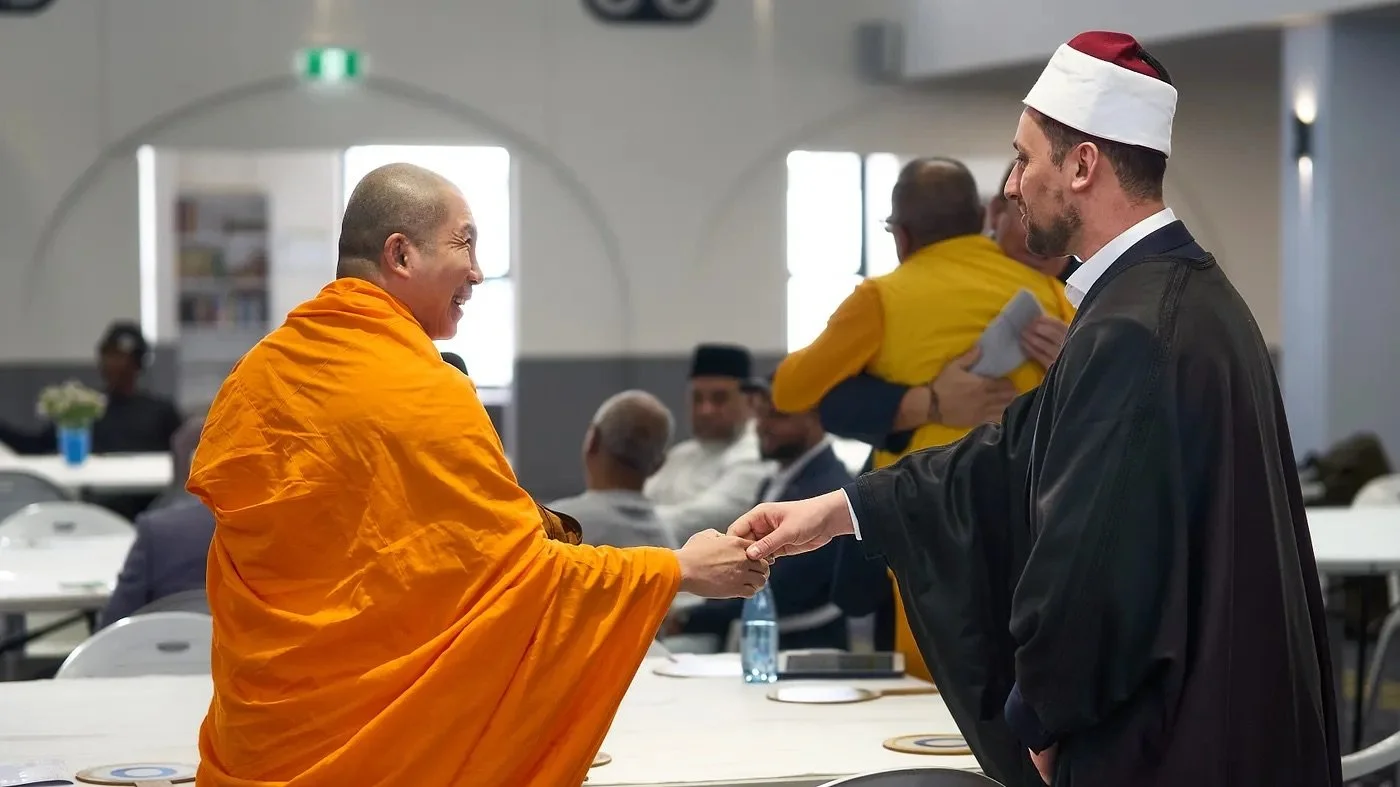
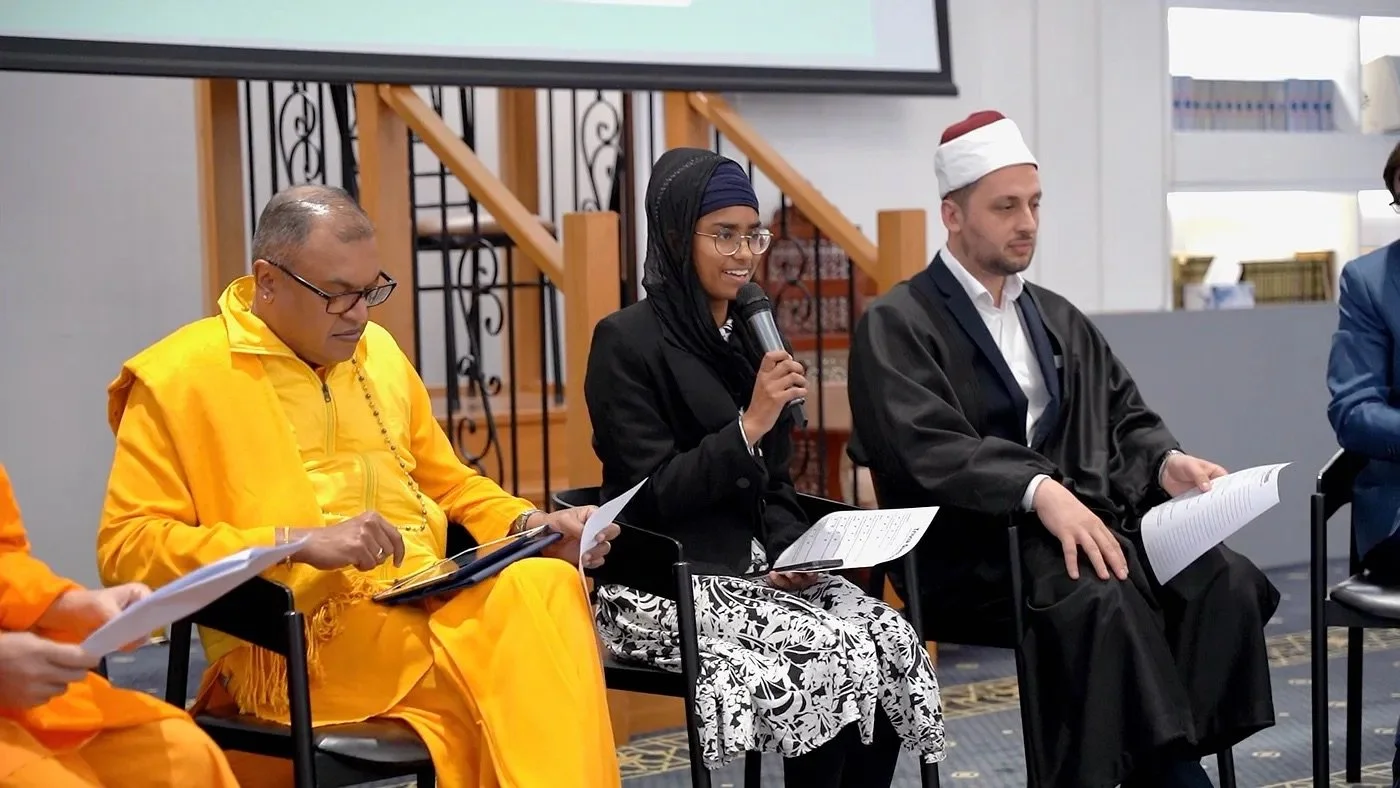
Faith leaders and community voices from across Victoria gathered at the Melbourne Grand Mosque on Saturday 11 April, as HWPL and MGM hosted the Australian Religious Peace Academy (ARPA) forum under the theme How Can Religion Promote Harmony and Coexistence: How Inner Harmony Creates Community Harmony — bringing together approximately 50 attendees from diverse faiths, backgrounds, and community leadership roles.
The program opened with a reflection on the difference between passive and active peace — the distinction between the absence of conflict and the deliberate effort of peace building. Participants were invited to approach the forum not as observers, but as contributors to this effort.
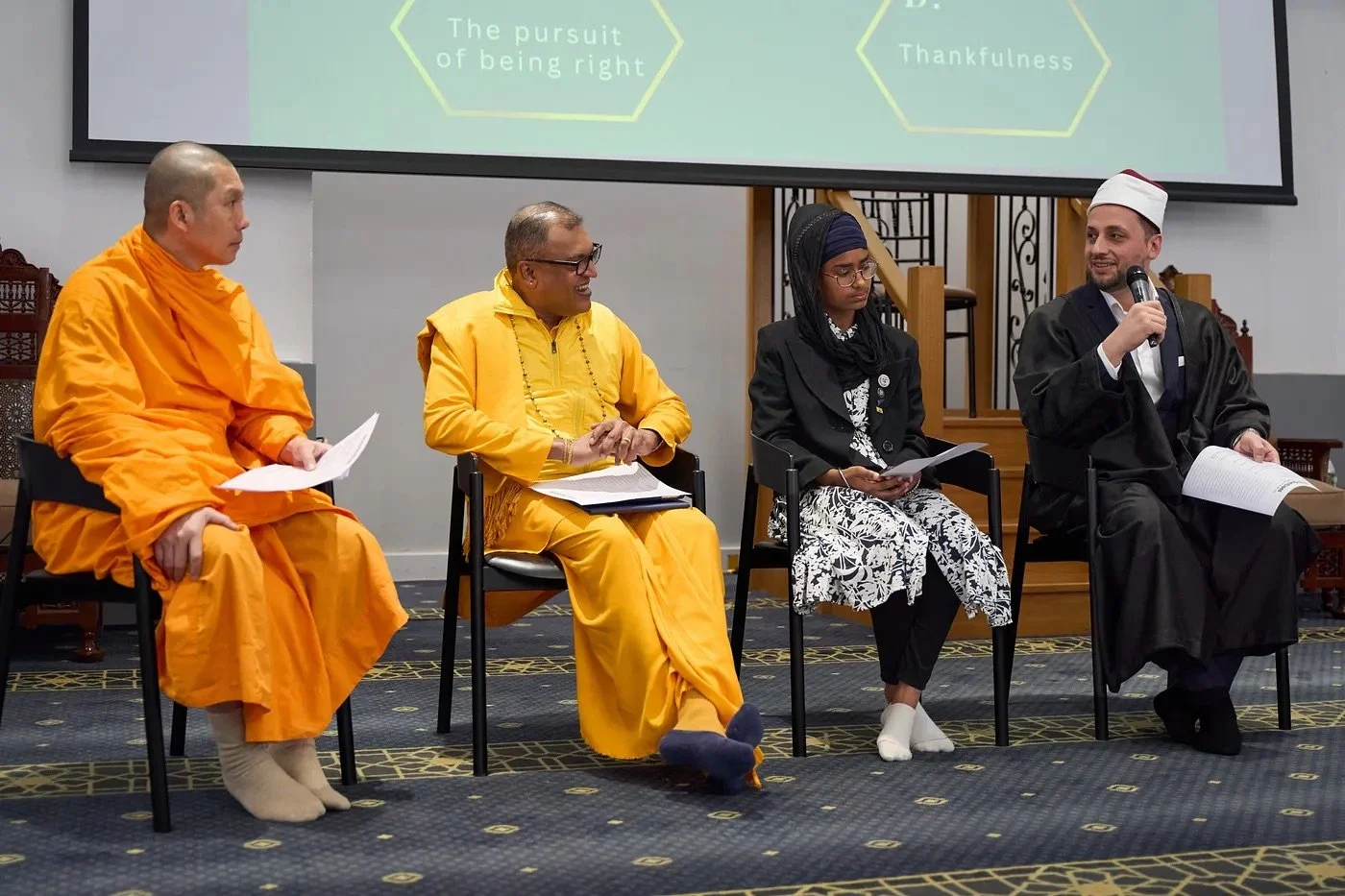
At the heart of the program was an interactive trivia format drawing on the scriptures and teachings of Hinduism, Islam, Buddhism, and Sikhi. Designed to make the program engaging and participatory, the trivia invited attendees to actively explore one another’s beliefs — with questions ranging from how the Qur’an frames human diversity, to the Sikh practice of meditating on the Name of God as a remedy for ego — sparking genuine curiosity and deeper understanding across faith lines.
“We have to sit down together and try to understand each other, try to recognise each other, try to actually be in harmony with each other. If we don’t do that now, then we cannot expect peace and harmony in the future,” said Hysni Merja, Head Imam of the Melbourne Grand Mosque.
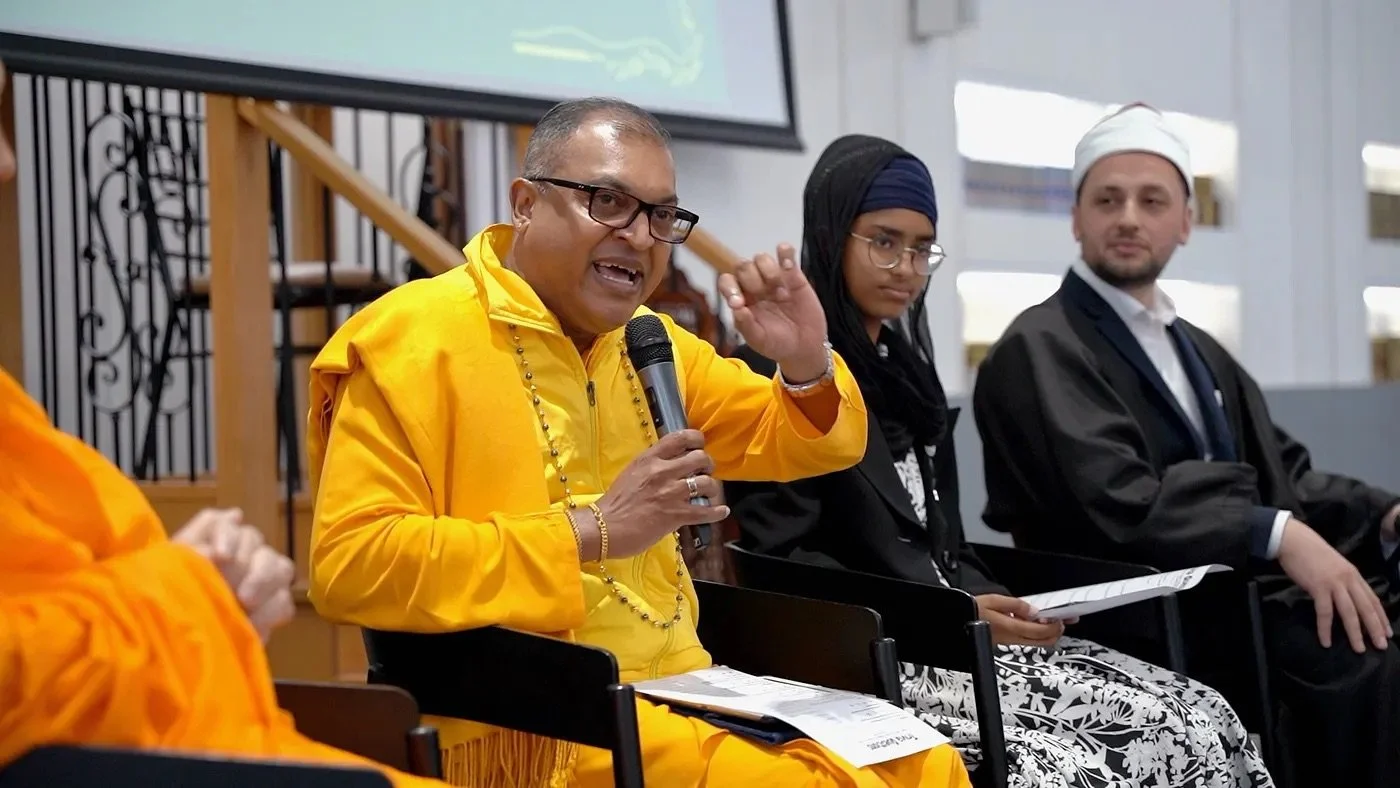
“Active peace is something that we really need to seriously think about in a big way. Tolerance is no longer acceptable, because, think about what tolerance really means — ‘I hate you, but I have no choice but to work with you.’ You still keep your anger. We need to stop that. Active peace means we actively understand the gap, build through meaningful interaction, meet in the centre, and agree to disagree — respectfully, without hatred. That is what we really need to seriously think about, and work towards together.” — Gopal Tripathi, Pandit of the Radha Madhav Mandir.
Simarpreet, who is a passionate young leader at the Youth Sikh Networking Program, and the youngest of the panel, “Often people get stuck with their own vision and try to pull others into it, but the better approach is to share that vision openly and let more perspectives shape it, because it’s always about hearing what other people have to say.”
ARPA forms part of the International Religious Peace Academy under HWPL’s World Alliance of Religions’ Peace Offices, which have facilitated dialogue across hundreds of locations worldwide. As the series continues across Victoria, the invitation remains open: to sit together, to listen across difference, and to discover that the foundations of peace are rarely as far apart as they seem.